Latest News

Attracting over 700 submissions, the 2026 Short Papers Platform brings a new cycle of industry-aligned academic research to Dubai, across priority areas

23 November: Prototypes for Humanity’s 2026 Short Papers Platform conference brought together 52 researchers from 49 universities in 27 countries in Dubai, to present research addressing some of today’s most pressing global challenges and offering tangible pathways to solutions. Held in strategic partnership with ICD (Investment Corporation of Dubai), the initiative bridges the gap between academia and the real-world, enabling research to be applied to current issues and create tangible impact. The conference took place from 17 – 20 November alongside the annual Dubai Future Solutions – Prototypes for Humanity Summit. 

Selected from more than 700 abstracts submitted by professors based at hundreds of globally recognised universities across the world, the 2026 edition of the Short Papers Platform spans seven strategic themes, advancing impactful innovation through collaboration between academia and industry, focusing on the key sectors and themes that reflect international research priorities and that are relevant to Dubai and to the fund.  Structured around real-world challenges that span multiple disciplines, the programme enables research to inform industry priorities, innovation planning and applied outcomes. 

Over the four days, researchers presented their papers to fellow academics, and representatives from leading industries, ranging from aviation and energy to financial services, real estate and healthcare, covering priority areas such mobility and logistics, wellbeing, infrastructure and the environment. Representatives from ICD Portfolio Companies attended sessions, which fostered dynamic discussions between academia, industry and decision-makers.

Douraid Zaghouani, Chief Operating Officer at ICD (Investment Corporation of Dubai), said: “The Short Papers Platform has demonstrated how collaboration between academia and business can advance innovation and translate research into practical solutions. Through this partnership, ICD's portfolio companies had the opportunity to engage directly with leading researchers, explore emerging ideas and identify potential applications that align with their own innovation priorities. The ICD Award recognises outstanding research with practical potential and supports its development towards implementation. By bringing businesses and researchers together, we are helping advance Dubai’s vision to become a global hub for research-driven innovation.”

Tadeu Baldani Caravieri, Managing Director of Prototypes for Humanity, said, “At Prototypes for Humanity, our goal is to unlock academic expertise to answer challenges faced by society, governments and organisations. The Short Papers Platform puts that into practice, mobilising our international community of professors at the forefront of scientific research to diagnose, investigate and respond to shared priorities across Dubai’s vision and many of its large organisations. This year, that meant research converging a wide range of applications, from emissions to clean energy, resilient infrastructure and remote monitoring, to help wellbeing and the environment. We are grateful to ICD for a partnership built on a shared commitment to translating academic knowledge into tangible outcomes in Dubai - and beyond.”

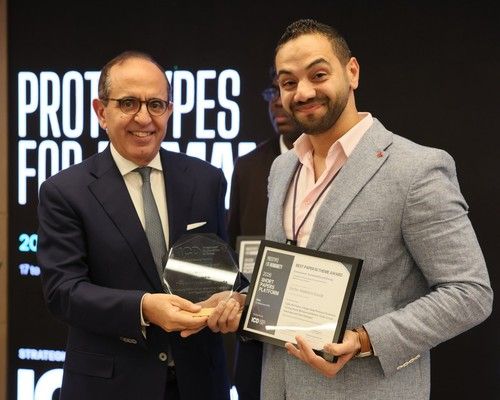
Douraid Zaghouani presented the USD 50,000 Best Short Paper Award to Dr Abdelaziz Gouda, a research associate in the Department of Chemical Engineering at the University of Waterloo, for Light, Not Flame: A Single-Step Photolysis Prototype Turning Waste Methane into Battery-Grade Carbon Nanotubes and Clean Hydrogen. Dr Gouda’s research uses light to turn waste methane into clean hydrogen and battery-grade carbon nanotubes in a single step. The award recognises academic work with strong potential for practical application, identified through engagement with ICD industry experts.

The global oil and gas sector vents an estimated 200 billion cubic metres of methane and flares a further 150 billion cubic metres of natural gas each year, and methane has roughly 80 times the warming effect of CO₂ over twenty years. At the same time, low-carbon hydrogen and battery-grade carbon nanotubes are still produced almost entirely through energy- and emissions-intensive processes. Dr Gouda’s research speaks directly to the energy and industrial sectors, transforming a costly waste stream into inputs for clean fuel and battery supply chains, with the prize supporting the project’s next stage of development towards implementation.

Dr Abdelaziz Gouda said, “Receiving the ICD Award is a strong validation of CarbonLume’s approach to turning methane into carbon nanotubes and clean hydrogen, and the long-term opportunities for practical application. The funding goes straight into our next stage of development – building and testing our first 1 kg-per-day module. Dubai offers the ideal ecosystem to build and innovate, with abundant opportunities for us to grow and expand. The Short Papers Platform brought together investors, alongside leaders in government and industry, and having the opportunity to present to them is how academic research finds the right partners to progress at scale.” 

Across each of the seven themes, the Peer Review Panel recognised papers that stood out for their innovation, insights and impact:
 

DSC05936.jpg

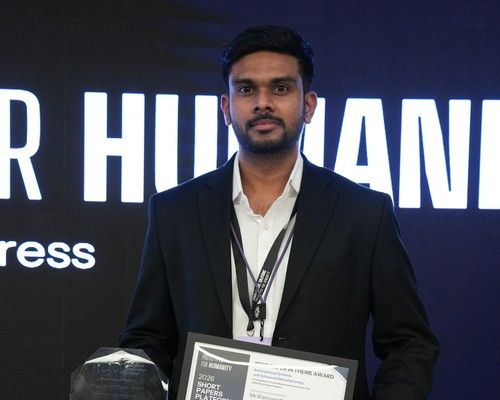
Autonomous Systems and Advanced Manufacturing Mr Rishivarathan Ilangovan from the Singapore University of Technology and Design received the award for Dragonfly: An Autonomous Robotic System for Chemical-Free Aedes Mosquito Control in Urban Environments. The paper was also recognised with a Highly Commended award by ICD in recognition for its outstanding research and application. 

Dengue causes an estimated 390 million infections a year, yet conventional fogging requires buildings to be evacuated. Dragonfly is an autonomous robot that captures dengue-carrying mosquitoes in occupied public spaces without chemicals, mapping where populations concentrate. Field-tested across commercial, construction and campus sites in Singapore, it is now licensed to a facility management company.
 Dr_Yijing_Lee_1.jpg

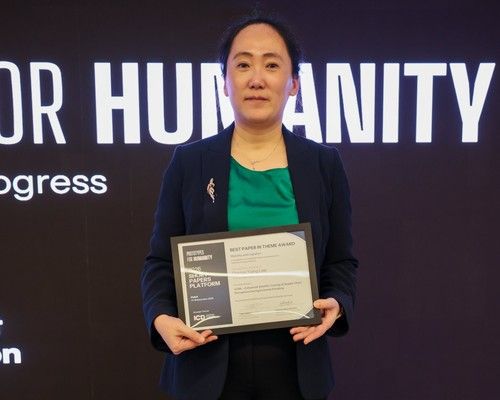
Mobility and Logistics Dr Yijing Li from King’s College London was recognised for AI/ML-Enhanced Satellite Tracing of Supply Chain Disruptions during Extreme Flooding.

The research uses satellite imagery and AI to reveal how floods disrupt freight networks, where conventional monitoring data is slow and fragmented. With case studies drawn from the 2024 Spain floods and the 2023 and 2024 flooding in Dubai, it offers logistics operators and planners new evidence to assess climate-driven supply-chain risk.
 

Professor_Urmila_Dewikar.jpg

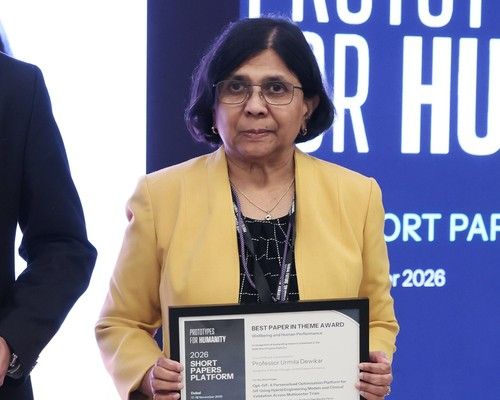
Wellbeing and Human Performance Professor Urmila Diwekar from the University of Illinois Chicago received the award for Opt-IVF: A Personalized Optimization Platform for IVF Using Hybrid Engineering Models and Clinical Validation Across Multicenter Trials.

 Opt-IVF personalises hormone dosing during IVF, a stage of treatment still largely based on trial and error. Evaluated with around 1,000 patients across four clinical studies, it was associated in the largest trial with a 42% increase in clinical pregnancy after the first embryo transfer and a 21% reduction in hormone use.
Dr_Lee_P_Leon_1.jpg

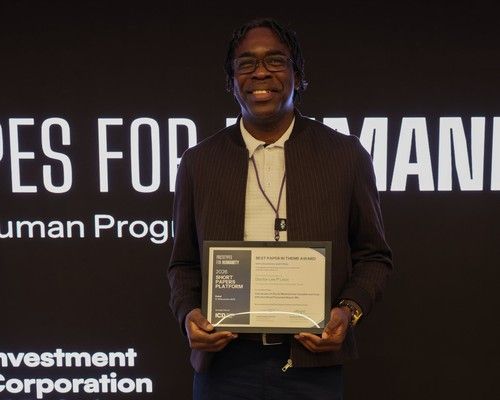
Infrastructures and Cities Jointly recognised in this category were Doctor Lee P Leon from The University of the West Indies, Trinidad and Tobago for his submission Conversion of Waste Material into Valuable and Cost-Effective Road Pavement Repair Mix.

The escalating accumulation of solid waste in Trinidad and Tobago, driven by rapid urbanization, increased consumption patterns, and limited recycling capacity, continues to pose significant environmental and infrastructure challenges. His research looks at a road repair mix made from local waste streams that is cheaper and lower carbon than conventional asphalt patching.

Also recognised in the category was Professor Hamidreza Norouzi from City University of New York, United States of America for High-Resolution Air Temperature Mapping for Heat-Resilient Cities: A Machine Learning Approach.

Extreme heat is a growing risk to health, infrastructure and livelihoods in hot desert cities, yet most municipalities there rely on a handful of weather stations or on reanalysis grids about 10 km wide. The professor’s submission looks at Machine learning that maps daily street-level air temperature from satellites to help desert cities plan for heat.
 ICD_Prize_Douraid_Zaghouani__Abdelaziz_Gouda.jpg

Environment, Sustainability and Energy Doctor Abdelaziz Gouda from the University of Waterloo, Canada received the award for Light, Not Flame: A Single-Step Photolysis Prototype Turning Waste Methane into Battery-Grade Carbon Nanotubes and Clean Hydrogen.

 Dr Gouda’s research speaks directly to the energy and industrial sectors, transforming a costly waste stream into inputs for clean fuel and battery supply chains, with the prize supporting the project’s next stage of development towards implementation.
 

Mr_Nithul_Bagathi.jpg

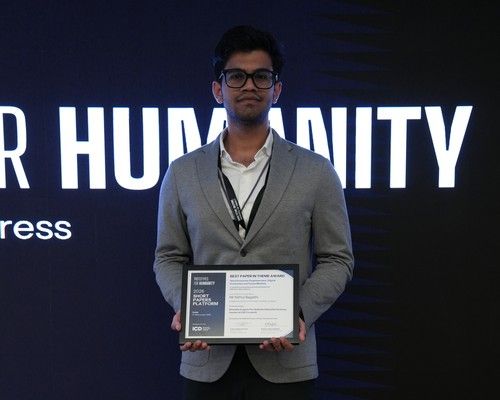
Socio-Economic Empowerment, Digital Economies and Future Markets  Mr Nithul Bagathi from Singapore University of Technology and Design, Singapore was recognised for his submission, Smorphi Imaginary Pro: Robotics Education for Every Learner at USD 1 a Month.

The transition to digital and AI-driven economies has widened a critical skills gap: robotics and computational thinking remain inaccessible worldwide due to hardware cost, teacher scarcity and software targeting either young children or specialists. Mr Nithul has devised a browser-based robotics course that takes learners from age 10 to university for one dollar a month.
 Professor_Torress_Sanches_1.jpg

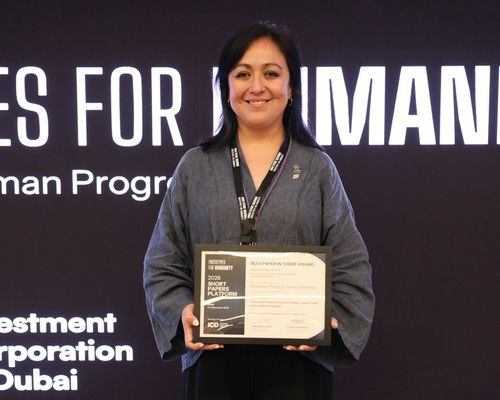
Open and Speculative Professor Patricia Torres-Sánchez from Tecnológico de Monterrey, Mexico received the award for Translating Water Innovation in Public Space: Visible and Invisible Prototypes.

Seres de Agua STEAM asked how research on levitated-drop analysis and functionalised nanofibres could leave the laboratory and become understandable to people who might use, support or invest in it. Professor Patricia’s paper considers an interactive mural at a campus water fountain that turns lab research on water quality into something the public can grasp.
Brathikan_Vijayamohan_Mankay.jpg

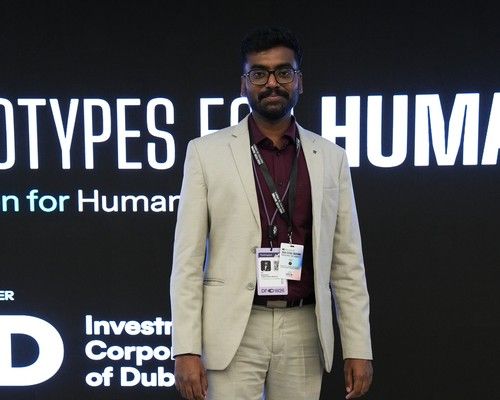
The Audience Choice Award, voted by attendees, was presented to Mr Brathikan Vijayamohan Mankayarkarasi from Kumaraguru College of Technology, India for Parametric CFD Investigation of a Differential Heave Wave Energy Converter for Distributed Coastal Energy Access.

An estimated 300 million people in coastal communities lack reliable electricity, yet most wave energy converters are designed for large-scale offshore deployment. This research uses computational fluid dynamics to optimise a differential heave converter for small, near-shore systems. The converter is the core technology of Kinowave, winner of the UK National James Dyson Award 2025. By identifying designs that maximise energy capture without complex control systems, the work offers practical guidance for affordable, community-scale wave power.

All papers that were presented will be formally published in the Short Papers Platform Conference Proceedings in early 2027, as an indexed, ISBN-registered volume. The call for abstracts for the 2027 edition will open in March. 

To view the full list of papers presented at the 2026 Short Papers Platform, please click here.

Five winners of honored for the 2026 Dubai Future Solutions – Prototypes for Humanity Awards

21 November 2026 – Her Highness Sheikha Latifa bint Mohammed bin Rashid Al Maktoum, Chairperson of Dubai Culture and Arts Authority (Dubai Culture), today honoured five outstanding student innovations at the 2026 Dubai Future Solutions – Prototypes for Humanity’ Awards. The winning teams were recognised for exceptional solutions to global social and environmental challenges at an award ceremony held on the final day of this year’s exhibition during Dubai Future Week 2026.

Her Highness and an expert jury selected the five winners from a shortlist of 100 projects showcased at The Boulevard, Emirates Towers, from 18 to 21 November. This year, thousands of solutions were submitted by students, recent graduates and professors from more than 1,000 universities across 120 countries, with the final 100 representing more than 75 universities.

The winners received a joint prize of $100,000 to support them in advancing their research. The Dubai Future Solutions – Prototypes for Humanity initiative is held under the directives of His Highness Sheikh Hamdan bin Mohammed bin Rashid Al Maktoum, Crown Prince of Dubai, Deputy Prime Minister and Minister of Defence of the UAE, and Chairman of the Board of Trustees of the Dubai Future Foundation. The programme is held under the patronage and leadership of Her Highness Sheikha Latifa bint Mohammed bin Rashid Al Maktoum.

HH Sheikha Latifa bint Mohammed highlighted how the initiative reflects Dubai’s role in bringing together innovators and researchers to turn knowledge and promising ideas into solutions that improve people’s lives.

Her Highness said: “When we invest in people, knowledge and innovation, we help build a more prosperous and sustainable future. These projects show how a promising idea, and the commitment to develop it, can become a practical solution to a global challenge and make a meaningful difference in people’s lives.”

Her Highness added: “Alongside recognising research achievements, this initiative brings academic institutions, the public and private sectors, investors and decision-makers together to help promising ideas reach the people who can benefit from them. Through these connections, we can support innovators as they develop their research, put it into practice and extend its impact.”

Her Highness emphasised that today’s global challenges call for new forms of collaboration across borders and disciplines.

“Dubai will continue to welcome ambitious ideas that can help build a better future for humanity. Innovation gives us a shared language through which we can learn from one another, work together and create opportunities for progress and prosperity,” Her Highness concluded.

A joint effort between Prototypes for Humanity, an Art Dubai Group initiative, in partnership with Dubai Future Foundation, the Hussain Sajwani – DAMAC Foundation and Dubai International Financial Centre, the programme supports university innovators from around the world in advancing their science-based solutions towards real-world application and growth.

The five winners of the 2026 edition were selected under five award categories: Health Diagnosis and Therapies, Circular Systems, Urban Society, Energy Futures and Life Resources.

FAYZ6367.jpg

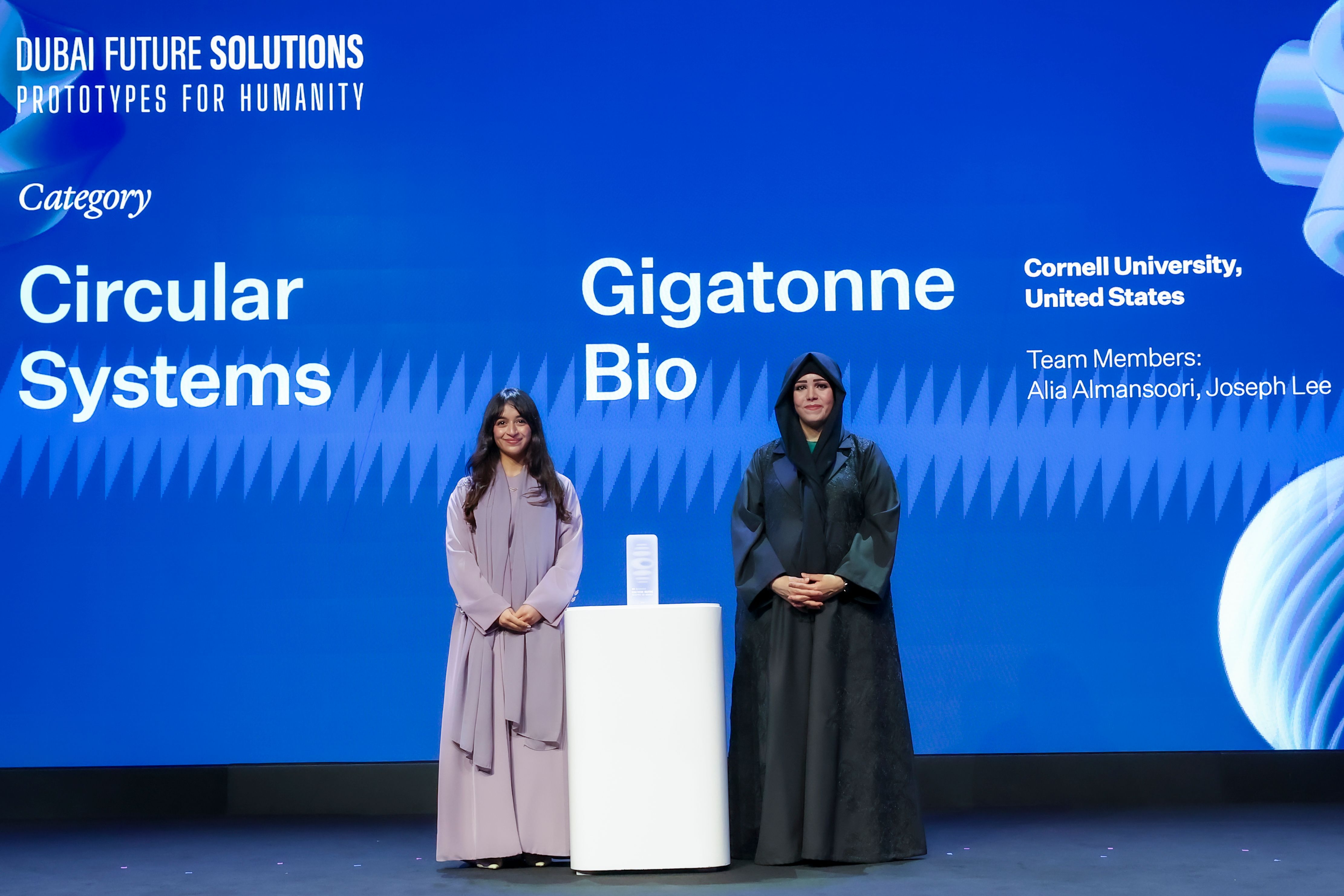
Circular Systems Gigatonne Bio, developed by Alia Almansoori and Joseph Lee from Cornell University in the United States, was recognised for using engineered bacteria to recover nickel, cobalt and platinum-group metals from mine waste, while permanently locking away carbon dioxide as a stable mineral.

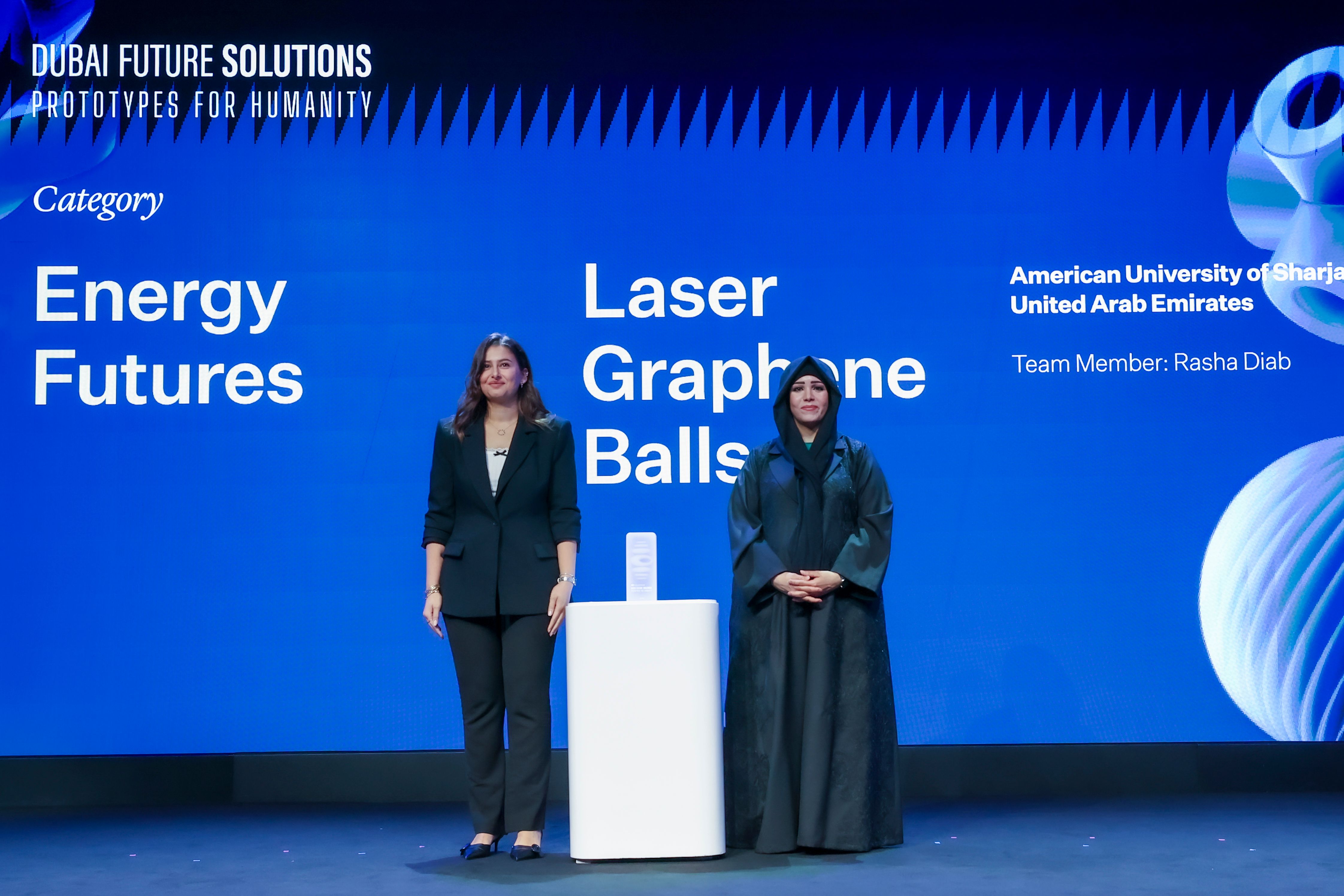
FAYZ6362.jpgEnergy Futures Laser Graphene Balls, developed by Rasha Diab from the American University of Sharjah in the UAE, was recognised for a one-step laser method that turns commercially available materials into 3D graphene balls and builds them directly into energy-storage electrodes. The electrodes kept 96% of their performance after more than 8,000 charge cycles.
FAYZ6357.jpg

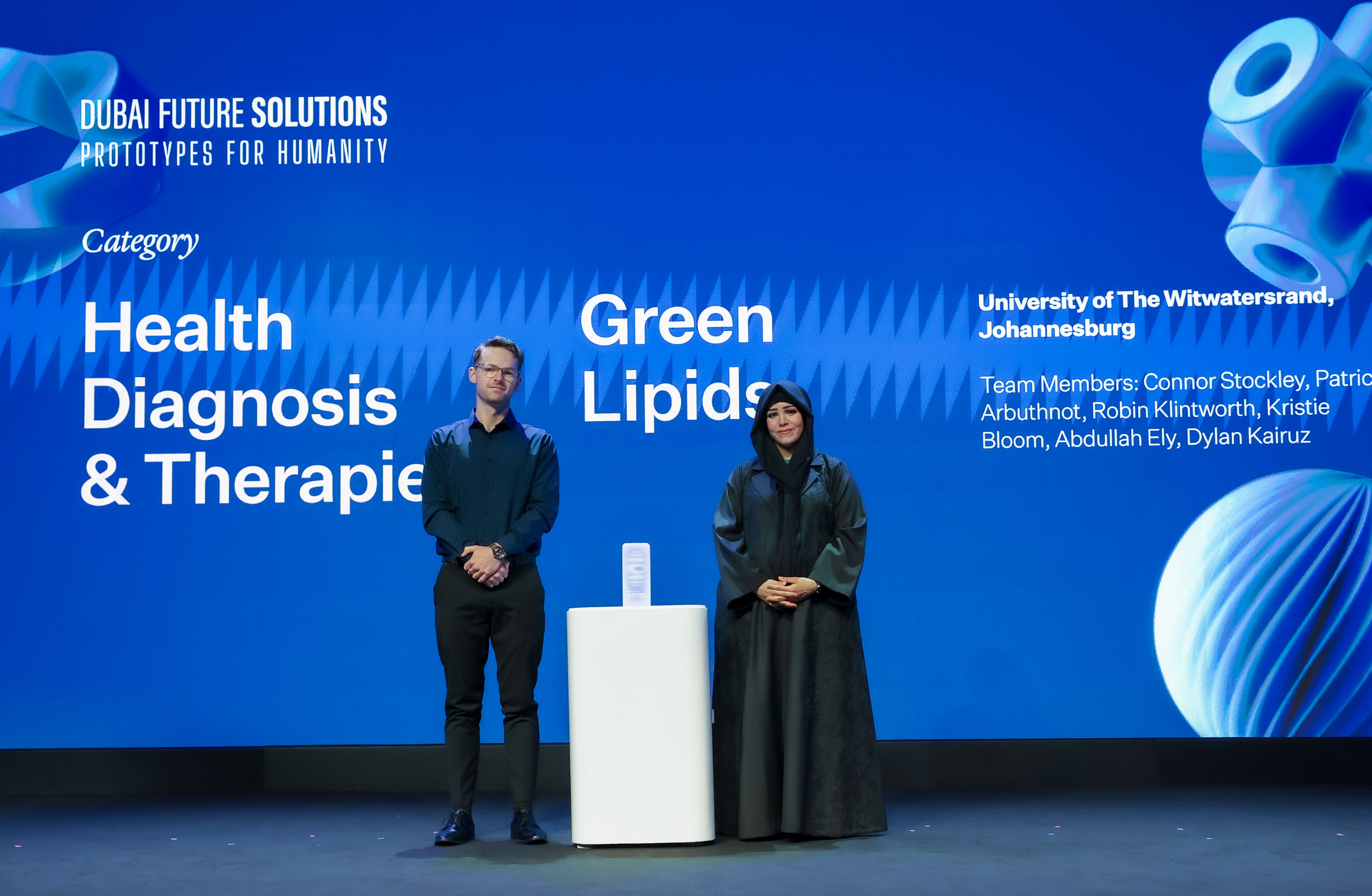
Health Diagnosis and Therapies Green Lipids, developed by Connor Stockley, Patrick Arbuthnot, Robin Klintworth, Kristie Bloom, Abdullah Ely and Dylan Kairuz from the University of the Witwatersrand in South Africa, was selected for turning cashew nutshell waste into bio-based lipids that deliver mRNA medicines into cells. The approach offers a locally scalable alternative to costly petrochemical ingredients, which could widen access to vaccines and genetic therapies.

FAYZ6374.jpg

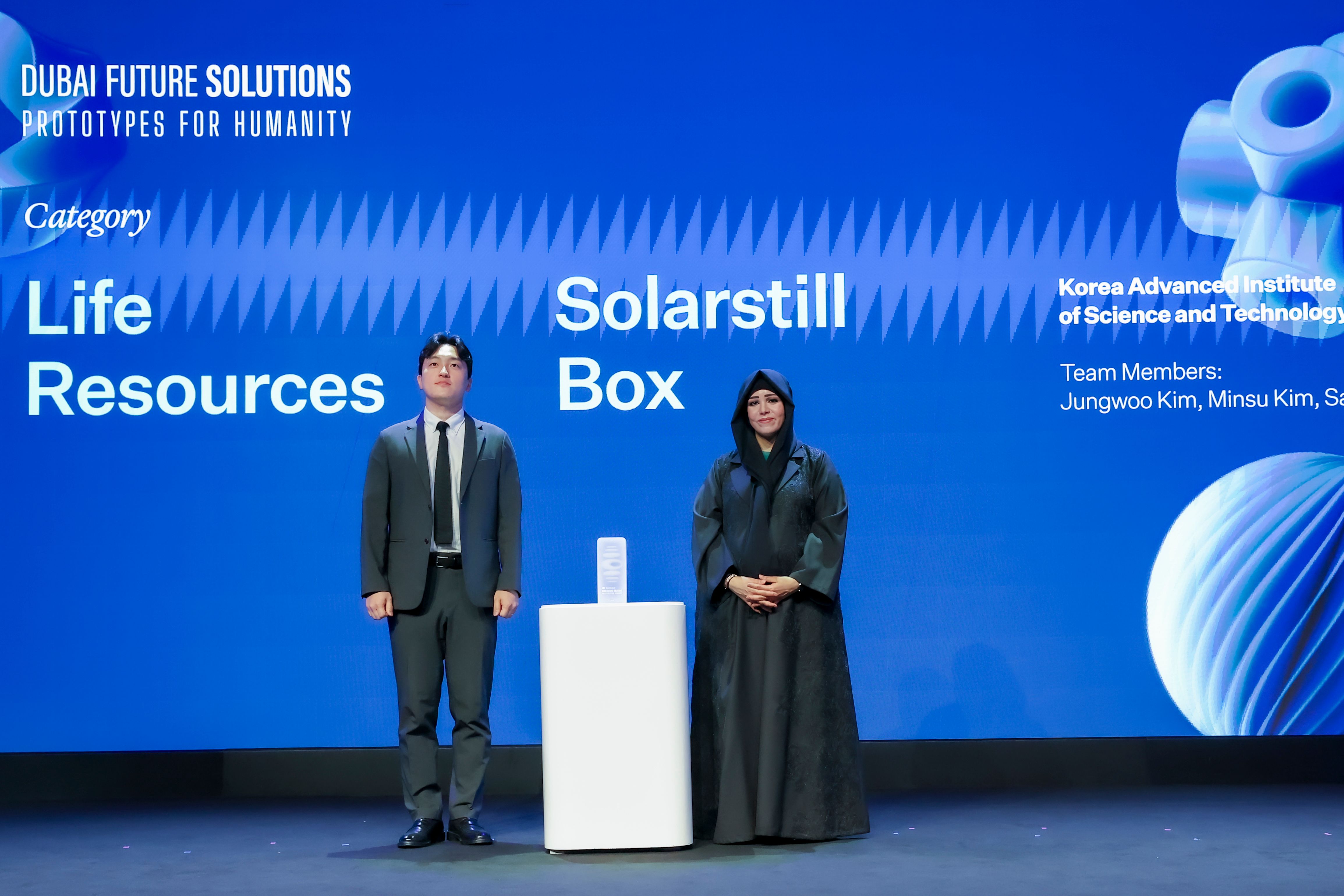
Life Resources Solarstill Box, developed by Jungwoo Kim and Minsu Kim from the Korea Advanced Institute of Science and Technology (KAIST) in South Korea, was recognised for a flat-pack solar still that turns salty or contaminated water into drinking water without electricity. Field-tested in Tanzania, each unit produces up to 7.5 litres of drinking water a day, at a target cost below $20.

FAYZ6379.jpg

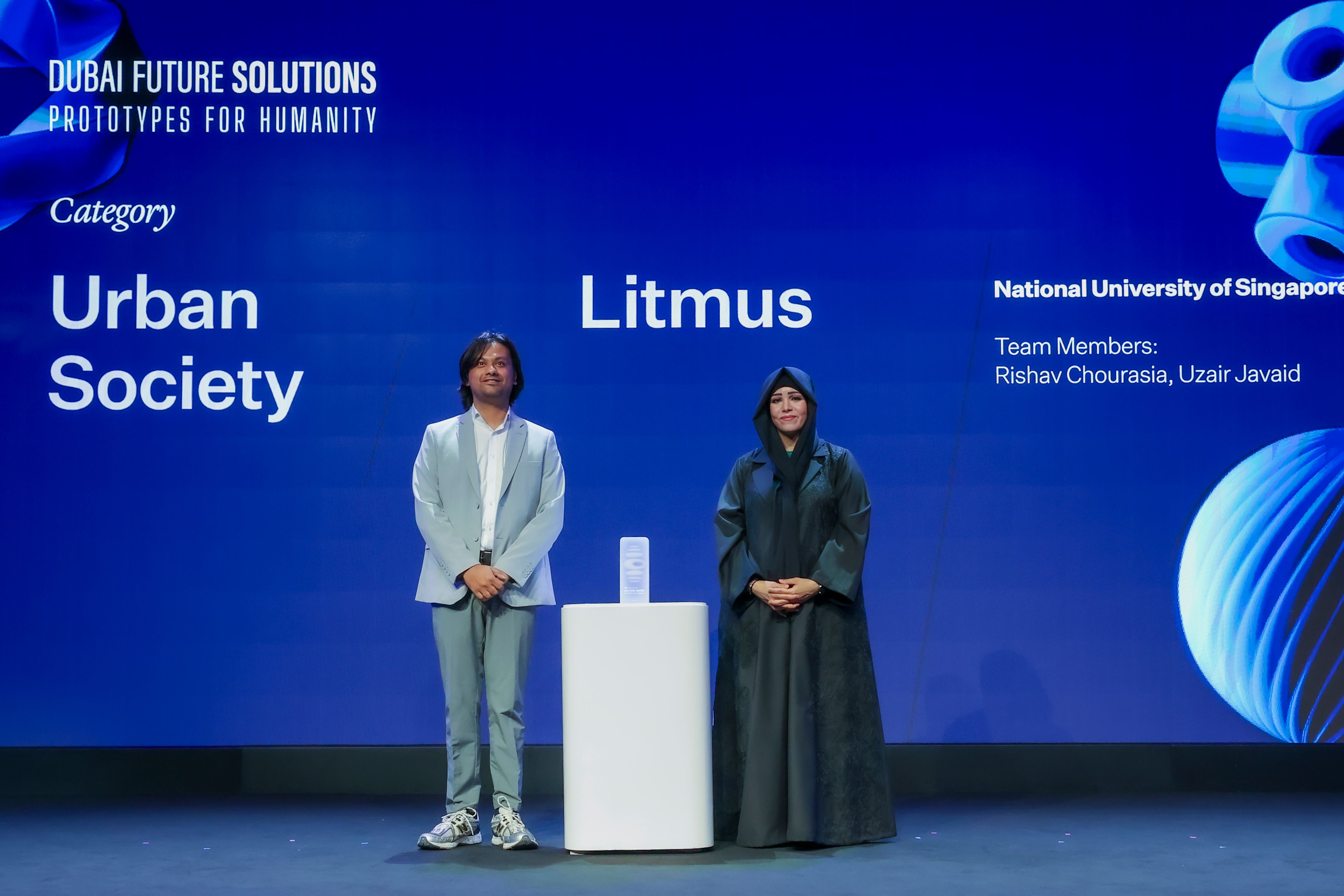
Urban Society Litmus, developed by Rishav Chourasia and Dr. Uzair Javaid from the National University of Singapore, received recognition for a tool that independently tests whether companies keep their privacy promises, including whether an AI model has memorised personal data.

HH Sheikha Latifa bint Mohammed visits Dubai Future Solutions – Prototypes for Humanity 2026 exhibition

18 November 2026 – Her Highness Sheikha Latifa bint Mohammed bin Rashid Al Maktoum, Chairperson of Dubai Culture and Arts Authority (Dubai Culture), today inaugurated the 2026 Dubai Future Solutions – Prototypes for Humanity exhibition, a global gathering of academic talent and innovators dedicated to addressing complex challenges through scientific research and innovation. Running from 18 to 21 November at Emirates Towers as part of Dubai Future Week, this year’s edition brings together researchers, students, industry leaders and decision-makers to explore new solutions that can improve lives and contribute to a more sustainable future.

Her Highness commended the participating innovators for their commitment to addressing challenges facing communities worldwide, highlighting the importance of investing in human potential and creating opportunities for promising ideas to develop into practical solutions.

Her Highness said: "Through Dubai Future Solutions – Prototypes for Humanity, we continue to build a global platform that brings promising minds together and gives them the opportunity to turn their ideas into practical solutions with a tangible impact. Dubai believes that addressing major global challenges begins with investing in people and empowering them through knowledge and innovation. These are the foundations of a future that advances progress and improves quality of life for communities."

Her Highness added: "The outstanding projects we see today through Dubai Future Solutions – Prototypes for Humanity demonstrate how scientific research and innovation can help shape a more sustainable and prosperous future. They also affirm Dubai’s position as a global hub for developing solutions that serve humanity."

Held at The Boulevard, Emirates Towers, the exhibition showcases 100 projects selected from thousands of submissions by students, graduates and professors from around 1,000 universities in more than 120 countries. Open to the public, the exhibition presents practical solutions addressing challenges in healthcare, agriculture, water, energy, mobility, the environment and civil society.

This year’s cohort includes teams from leading academic institutions such as Harvard University, the Massachusetts Institute of Technology (MIT), the University of Oxford, the University of Cambridge, ETH Zurich, Imperial College London, Cornell University, the National University of Singapore and Delft University of Technology. It also features contributions from universities in emerging economies, including Ghana, Peru, Morocco and Chile, alongside UAE-based institutions such as the University of Birmingham Dubai, New York University Abu Dhabi, Khalifa University of Science and Technology and the American University of Sharjah.

Five outstanding projects, representing the initiative’s five award themes of Health, Circular Systems, Energy Futures, Life Resources and Urban Society, will be recognised during the event and share a prize pool of $100,000 to advance their research and development. The winning projects will be selected by an expert jury chaired by HH Sheikha Latifa bint Mohammed bin Rashid Al Maktoum.

Dubai Future Solutions – Prototypes for Humanity is held under the directives of His Highness Sheikh Hamdan bin Mohammed bin Rashid Al Maktoum, Crown Prince of Dubai, Deputy Prime Minister and Minister of Defence of the UAE, Chairman of The Executive Council of Dubai, and Chairman of the Board of Trustees of Dubai Future Foundation. The programme is held under the patronage and leadership of HH Sheikha Latifa bint Mohammed bin Rashid Al Maktoum and organised annually by Art Dubai in partnership with Dubai Future Foundation, Dubai International Financial Centre and the Hussain Sajwani – DAMAC Foundation.

Alongside the exhibition, the initiative provides a platform for connecting participating teams with government entities, industry leaders, investors and experts who can support the development and application of their innovations. Through its venture-building programme, the initiative offers selected teams direct funding, business expertise and opportunities to collaborate with industry partners on tailored pilot projects. These partnerships enable innovators to test their technologies in real-world environments, accelerate technical and commercial validation, and receive support to establish businesses in Dubai.

The programme aims to create practical pathways for promising innovations to advance from academic research to market-ready applications, supporting their long-term growth from Dubai. Several projects from previous editions have already progressed to pilot stages in collaboration with major UAE-based organisations, reflecting the initiative’s contribution to translating research into tangible outcomes. Throughout the week, more than 100 public and private sector entities will engage directly with the programme to explore potential partnerships and opportunities to advance innovative solutions.

2026 Short Papers Platform, held in strategic partnership with ICD brings together 52 researchers from 27 countries to address global challenges

27 October 2026 — Prototypes for Humanity today announced the programme for the 2026 Short Papers Platform, bringing together professors and researchers from 49 universities across the world to present research addressing some of today’s most pressing global challenges and offering tangible pathways to solutions. Held in strategic partnership with ICD (Investment Corporation of Dubai), the 2026 programme spans seven research themes, connecting academic expertise with areas of strategic relevance to Dubai and the wider global research and innovation community.   

The Short Papers Platform was launched in 2025 as part of Prototypes for Humanity's growing research and publications activities, mobilising academic knowledge towards urgent challenges facing industry and society. The 2026 edition invited a global network of academics from more than 1,000 universities to submit abstracts, with more than 700 received through the international call. From these, 52 researchers were selected to develop their work into short papers for presentation in Dubai and subsequent publication in the Short Papers Platform Conference Proceedings in early 2027. Structured around real-world challenges rather than traditional academic disciplines, the programme connects academia with industry and the public sector, enabling research to inform industry priorities, innovation planning and applied outcomes.

Tadeu Baldani Caravieri, Managing Director of Prototypes for Humanity, said: “Our mission is to accelerate the translation of university research into applied solutions. The Short Papers Platform creates a structured conduit for academics to share emerging research and connect their expertise with the R&D and innovation priorities of leading organisations. This year’s programme brings together an exceptional breadth of research across institutions, disciplines and geographies, creating new opportunities for collaboration and practical application. We are privileged to advance this work in partnership with ICD, with a shared commitment to translating academic knowledge into tangible outcomes.”

As part of the programme’s ongoing commitment to research translation, ICD will award a USD 50,000 prize to one project selected from the papers presented at the conference. The award recognises academic work with strong potential for practical application, identified through engagement with ICD industry experts, and will support the winning project’s next stage of development towards implementation.

Douraid Zaghouani, Chief Operating Officer at ICD, said: “Our strategic support of The Short Papers Platform strengthens the connection between academic research and real-world application. Anchored by a diverse portfolio of companies, ICD are uniquely positioned to help translate ideas into scalable solutions and long-term innovation. This partnership reflects our commitment to advancing Dubai’s economic and social development through knowledge, collaboration and forward-thinking initiatives.”

This year’s programme highlights how interdisciplinary and multi-method approaches, drawing on the distinct strengths of different fields, can offer fresh perspectives and novel solutions to complex global challenges. Across the seven themes, the 53 selected papers span a wide range of research areas and methods, with highlights including:

Infrastructures and Cities explores new approaches to more resilient, sustainable and responsive urban environments. Professor Hamid Norouzi of the City University of New York will present research using high-resolution thermal mapping to better understand extreme heat at neighbourhood level, providing cities with more precise data to inform heat mitigation and climate adaptation strategies.

Research under Environment, Sustainability and Energy examines new approaches to decarbonisation, resource efficiency and climate resilience. Dr. Santiago Zapata of the University of Manchester will present research into chemical looping technologies that can capture industrial carbon emissions and convert them into useful resources, exploring how emissions from carbon-intensive industries could be transformed from waste streams into valuable inputs.

Under Mobility and Logistics, researchers are exploring how advances in technology and new sources of data can help build more resilient and efficient transport and supply-chain systems. Dr. Yijing Li of King's College London will present research using satellite imagery to identify and predict climate-related disruption to global supply chains, helping organisations better anticipate risks to critical transport and logistics networks.

Autonomous Systems and Advanced Manufacturing considers how emerging technologies are reshaping the way people interact with machines and digital environments. Dr. Erick Guadalupe Ramírez Cedillo of Tecnológico de Monterrey will present ORION, a physical AI system that teaches workers to operate new industrial equipment. ORION writes its own training sessions for each machine, demonstrates every step on the hardware, and uses EEG to track how hard the learner is concentrating, adjusting the pace as it goes. The aim is to cut training cycles that can take around six months per type of equipment.

Research within Socio-Economic Empowerment, Digital Economies and Future Markets examines how technological, economic and societal change is reshaping economies and opportunities worldwide. Dr Hammed Musibau of Adelaide University will present a new international framework for measuring education quality and its relationship with economic growth, moving beyond conventional measures of school enrolment and attainment to better understand how education contributes to long-term economic development.

Under Wellbeing and Human Performance, researchers are developing new approaches to healthcare, diagnostics and clinical decision-making. Dr. Munib Mesinovic of the University of Oxford will present research into trustworthy clinical AI for intensive care, examining how AI systems can support clinicians in high-stakes environments while addressing the questions of reliability, transparency and uncertainty that are critical to their safe use in patient care.

Finally, Open and Speculative examines emerging questions around technology and its wider implications for society and the future. Tushar Kanade of Harvard University will present The Library of Babel Has a Power Bill, research examining the environmental and economic implications of generative AI and developing a framework to quantify the often-invisible energy consumption associated with AI-generated content.

The invited researchers will convene in Dubai from 17–20 November 2026, with the Short Papers Platform taking place alongside the annual Dubai Future Solutions – Prototypes for Humanity Summit, bringing academic research into direct dialogue with industry, government, investors and the wider innovation community.

Dubai Future Solutions – Prototypes for Humanity 2026 Exhibition Announced, Featuring 100 Innovative Projects

21 October  2026 – The annual Dubai Future Solutions – Prototypes for Humanity summit returns to Dubai from 18 to 21 November 2026. Held under the patronage and leadership of Her Highness Sheikha Latifa bint Mohammed bin Rashid Al Maktoum, Chairperson of Dubai Culture and Arts Authority (Dubai Culture), the summit brings together one of the world’s largest and most diverse community of academic innovators turning research into real-world impact.

This year’s edition will take place on The Prototype Floor during Dubai Future Week, held under the patronage of His Highness Sheikh Hamdan bin Mohammed bin Rashid Al Maktoum, Crown Prince of Dubai, Deputy Prime Minister and Minister of Defence of the UAE, and Chairman of the Board of Trustees of Dubai Future Foundation. The Week will run from 18 to 21 November 2026 at Emirates Towers and the Museum of the Future, under the theme ‘For the Human of the Future’.

Organised by Dubai Future Foundation, the Dubai Future Week is expected to bring together more than 10,000 participants from around the world, including experts, innovators, investors, policymakers and entrepreneurs, for a programme of talks, policy discussions, investment pitches, competitions and public experiences exploring how emerging technologies can shape the future.

The Dubai Future Solutions – Prototypes for Humanity exhibition will feature 100 innovative projects selected from thousands of submissions by academics representing around 1,000 universities across more than 120 countries. Five outstanding projects, one in each of the initiative's five main categories, will be honoured during the event.

Organised annually by Art Dubai Group in partnership with Dubai Future Foundation, Dubai International Financial Centre and the Hussain Sajwani – DAMAC Foundation, the initiative brings together leading innovators, researchers, professors, students and graduates from universities worldwide. It provides a platform to exchange knowledge and expertise, showcase academic research and explore how innovative ideas can be transformed into practical solutions to some of humanity's most pressing social, economic and environmental challenges.

Dubai Future Solutions – Prototypes for Humanity aims to support university innovators from around the world in developing their ideas into practical applications. The exhibition also gives the public an opportunity to explore a wide range of research-driven solutions across healthcare, agriculture, water, energy, transport, the environment and civil society.

Prominent Global Participation

This year's cohort includes teams from more than 72 universities across around 33 countries, representing some of the world's leading academic institutions. These include Harvard University, Massachusetts Institute of Technology (MIT), the University of Oxford, the University of Cambridge, ETH Zurich, Imperial College London, Cornell University, the National University of Singapore and Delft University of Technology.

The exhibition will also feature teams from universities in emerging economies, including Ghana, Peru, Morocco and Chile, alongside academic institutions from the UAE, including New York University Abu Dhabi, Khalifa University of Science and Technology and the American University of Sharjah.

Supporting Creative Minds

His Excellency Khalfan Juma Belhoul, CEO of Dubai Future Foundation, said: “Dubai Future Solutions – Prototypes for Humanity reflects Dubai's vision of supporting creative minds and empowering future generations to develop innovative solutions to global challenges.”

He added: “The initiative's objectives also align with Dubai Future Week and its theme, ‘For the Human of the Future’. It has become a global platform that brings together leading researchers and innovators from universities and academic institutions worldwide, enabling them to showcase their ideas and transform their research into practical projects that make a positive difference to communities.”

Hussain Sajwani, Founder of DAMAC Group, said: “Dubai embodies an extraordinary vision for the future, driven by the ambition of its wise leadership and its proactive approach to transforming bold visions into tangible achievements. This is achieved through investments in innovation and technology, and the adoption of solutions that place people at the heart of development, with the aim of building a more competitive and sustainable economy.

He added: "Dubai Future Solutions - Prototypes for Humanity" reflects this vision, reaffirming that shaping the future is not about waiting for it to unfold, but about anticipating it and taking proactive steps to plan for it. At DAMAC, we believe our responsibility lies in translating this vision into transformative projects and strategic investments that contribute to urban development, enhance quality of life, and harness innovation for the benefit of humanity. Through these efforts, we aim to further strengthen Dubai’s position as a global hub for shaping the future, while creating a positive and lasting impact for generations to come.”

Innovations with Impact

This year's projects reflect a world adapting to rapid change, as innovators respond to rising temperatures, growing pressure on natural resources and the rapid adoption of artificial intelligence in everyday life.

Beyond software, algorithms and data systems, teams are developing physical devices and robotics, biotechnology and bio-based solutions, advanced materials and chemical formulations. They are also redesigning industrial and environmental processes and exploring new ways to generate, store and convert energy.

In healthcare, innovators are developing solutions to enable earlier diagnosis, improve the delivery of care and make healthcare more accessible.

Among the featured projects, HEURIS helps emergency department clinicians consider the full range of possible diagnoses as test results become available. Age Resist uses a wearable device to analyse sweat composition and assess the body's ability to withstand and recover from physical stress associated with surgery. ChronoVasc, meanwhile, estimates the biological age of a person's arteries through a single blood test.

Projects focused on climate and natural resources are developing innovative ways to use energy and materials more efficiently while transforming waste into valuable resources.

SolarSkin enables solar panels to switch automatically between generating electricity and heating indoor spaces. MetCycle dissolves materials from spent batteries in less than 15 minutes at room temperature, while AlgaePalm produces an alternative to palm oil using UAE microalgae cultivated in saltwater.

Other projects demonstrate how data and artificial intelligence can support smarter cities and strengthen public trust.

Greenery Scanner monitors the health of street trees and maps their condition using cameras installed on vehicles travelling through city streets. Coco: Heat Minimizer helps people identify cooler walking routes during heatwaves, while Litmus independently assesses whether companies are fulfilling their commitments to protecting user privacy.

Supporting Entrepreneurship

Dubai Future Solutions – Prototypes for Humanity also supports academic entrepreneurs through a dedicated venture-building program that provides funding, business expertise and specialised support, alongside opportunities for direct collaboration with industry partners. The program helps participating teams transform scientific research into practical solutions that address real industry needs.

The program begins by testing the feasibility of selected technologies in real-world environments, before supporting participants in establishing companies, developing their businesses and expanding their operations.

Through a practical, commercially focused approach that prioritises reducing risk, the program helps founders build strong foundations for collaboration with major companies, commercial partners and investors, both during the program and beyond.

Several groundbreaking innovations from previous editions have already made significant progress through the program, moving beyond academic research to real-world pilot projects developed in collaboration with regional partners.

Tadeu Baldani Caravieri, Managing Director of Prototypes for Humanity, said: “The exceptional quality of this year's projects reflects the strong relationships that Prototypes for Humanity has built with academic institutions around the world over more than a decade.”

“We are delighted to welcome such an outstanding selection of projects in fields that are critical to the future, from improved diagnostic methods to energy diversification, edge computing, food and water safety, and cybersecurity.”

He concluded: “We are also proud of the continued growth of our venture-building program, which supports academic entrepreneurs in turning their research into practical solutions that meet market needs.”

Three University Ventures from Switzerland, the USA and Egypt move into active pilots and commercial stages in Dubai
  • Prototypes For Humanity is held under the patronage and leadership of Her Highness Sheikha Latifa bint Mohammed bin Rashid Al Maktoum
  • Academic ventures Oxara, P-Vita and Virufy from ETH Zurich, Zewail City and University of Fukui are now in active pilot and commercial stages in the UAE across construction materials, biofertilisers and AI-driven respiratory diagnosis
  • The programme translates global research into industry-aligned solutions, with measurable value for Dubai and the UAE’s economy, future-resilience and innovation ecosystems
  • A new wave of high-potential solutions from institutions including Harvard, Imperial College London and Petronas University is under evaluation for piloting, offering local entities access to top global R&D
  • Programme demonstrates Dubai’s unique capacity to attract top academic talent, accelerate commercialisation of scientific research and build globally competitive ventures from the city

Dubai, United Arab Emirates, 18 May 2026 — Three ventures from Dubai Future Solutions – Prototypes for Humanity are now moving beyond scientific validation into active pilots and commercialisation in the UAE. Oxara, P-Vita and Virufy are deploying cutting-edge science alongside local partners across AI-enabled disease monitoring, bio-engineered fertilisers and high-efficiency construction materials. 


The milestone marks the first commercial output of the The Dubai Future Solutions – Prototypes for Humanity programme, held under the directives of His Highness Sheikh Hamdan bin Mohammed bin Rashid Al Maktoum, Crown Prince of Dubai, Deputy Prime Minister, Minister of Defence, and Chairman of the Board of Trustees of the Dubai Future Foundation (DFF), The programme is held under the patronage and leadership of Her Highness Sheikha Latifa bint Mohammed bin Rashid Al Maktoum and is in strategic partnership with Dubai Future Foundation. 


Dubai Future Solutions – Prototypes for Humanity provides academic founders with funding, business expertise, dedicated team support and closely managed industry collaborations to translate scientific research into industry-aligned solutions — a journey that begins with technology validation in real-world environments and evolves towards business set-up, commercial projects and growth. Using a de-risking, commercially minded approach, it works hands-on with founders to develop the foundations required to engage larger commercial partners and investors during and beyond the programme.

The programme sits within Prototypes for Humanity wider ecosystem of initiatives that engages thousands of academics every year, the largest and most comprehensive of its kind globally.

From research to pilot and commercialisation: the first cohort  

Oxara – Sustainable construction materials

Oxara transforms mineral and construction waste into low-CO₂ building materials using a fraction of the energy and capex required by conventional cement production.

Founded by Dr. Gnanli Landrou and Dr.Thibault Demoulin, the company is now moving into commercial-scale deployment following a successful pilot with one of Dubai’s leading concrete manufacturers. At the same time, Oxara is accelerating its international expansion landmark projects and strategic partnerships across Europe and Africa.

At scale, Oxara’s technology offers one of the most commercially viable pathways to decarbonise the construction industry, while simultaneously reducing the financial and environmental burden of waste management for developers, municipalities, and governments worldwide.


P-Vita – Agricultural biotechnology

P-Vita uses proprietary biotechnology and AI-driven production to produce natural, cost-effective raw materials for the agriculture, food and pharmaceutical industries. Founded by Mohamed Tarek Abdelzaher, an environmental engineer, and Naglaa Mohamed, Chief Science Officer specialising in Biomedical Science and Molecular Biology, both graduates of Zewail City of Science and Technology, the solution is particularly topical as it produces fertilisers that address global shortages caused by international supply disruptions. The company is now ready to take a tested joint-venture model global. A growing number of tests, crops and farming models will begin this month in the UAE, expanding a product portfolio that already supports more than 4,800 smallholder farmers while also engaging with larger commercial farming operations, delivering higher yields at lower cost to farmers.


Virufy – AI-Powered respiratory health screening

Leveraging unique datasets, algorithms and expertise, Virufy is enhancing its smartphone app for the detection of multiple respiratory diseases through cough sound pattern analysis. Virufy was founded and is led by Amil Khanzada, Specially Appointed Assistant Professor at the Headquarters for Regional Revitalization, University of Fukui, where he teaches in the Management of Technology (MOT) course. He previously pursued graduate studies in Computer Science and Business at UC Berkeley and Stanford University.


Via the programme, Virufy is currently progressing a pilot clinical study with Dubai Health. With nearly 200 patients enrolled to date, the study will soon enter specialized AI R&D to develop a screening tool to protect the respiratory health of our loved ones and in future may improve global health for a billion users in developing nations.


His Excellency Khalfan Belhoul, CEO of the Dubai Future Foundation, said: “Through Dubai Future Solutions – Prototypes for Humanity, we are building a structured pathway that takes breakthrough research from the lab into real-world deployment and scalable ventures. Dubai offers something few places can – an integrated environment where government, industry and capital align to test, refine and grow solutions at speed. At Dubai Future Foundation, our role is to enable this journey end to end – connecting global talent with local partners, and turning scientific potential into tangible impact across sectors.”


His Excellency Arif Amiri, Chief Executive Officer of the DIFC Authority, said: “DIFC’s founding partnership in Prototypes for Humanity reflects our conviction that the most durable economic ecosystems are built on the ability to attract, support and retain the world’s most capable innovators. The programme’s global pool of innovators is ready to be leveraged to build even more competitive advantage for the public and private sectors in Dubai, a city where a deep ecosystem of capital, institutions and government help them succeed.”


Emerging pipeline: New ventures from Harvard, Imperial and beyond

For its upcoming cycle, the programme is working with a highly curated group of new ventures from leading global academic institutions, such as Harvard University, Imperial College London, Petronas Technology University and Duke University. Through the programme’s support, the ventures are in late stage conversations with leading entities to advance their efforts in the UAE, starting from the second half of 2026.


Tadeu Baldani Caravieri, Managing Director of Prototypes for Humanity, said: “The gap between a scientific breakthrough and a functioning commercial venture is rarely bridged without deliberate, bespoke support. The ventures we are advancing are proof that when the right methodology, partners and environment come together, that gap can be crossed, creating real value for organisations, society and markets.”


Applications to the Dubai Future Solutions – Prototypes for Humanity yearly summit are open, inviting graduates, students and researchers across all disciplines and universities to apply to join the global showcase of innovations this November in Dubai — and enter the selection process for the 2027 ventures programme.

Previous123Next